


Seahawks and Padres Both Expected to Break Records: A Result of Timing or a Sign of Things to Come?

By: Alex Wutzke
April 7, 2026
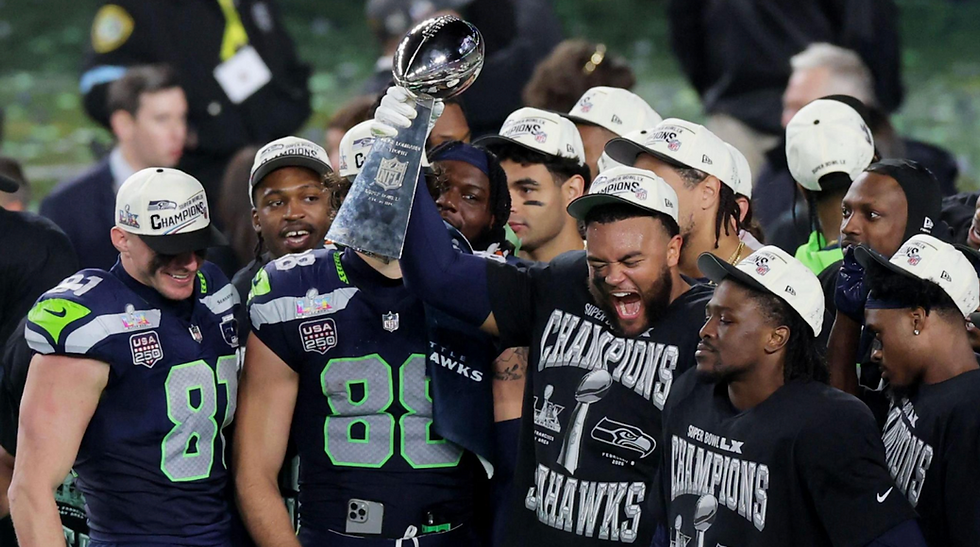
Photo Credit: BBC
In November of 2025, a little under two years after the death of his brother and former owner of the Padres, Peter Seidler, John Seidler announced the family would be looking to sell the team. In a similar light, Jody Allen, the younger sister of former Seahawks owner and Microsoft co-founder Paul Allen, announced that the Seahawks would be sold in compliance with Paul Allen’s wishes to sell his sports holdings and donate the proceeds. Both of these sales come at pivotal moments for their franchises and for their respective leagues.
Over the past decade or so, the valuation of Big Four sports teams has greatly increased. The average Big Four sports team is worth close to $7 billion. On top of this, the record sales for MLB (Mets) and NFL (Commanders) teams have come in the last few years—though it’s likely neither of these records will stand for long. The Seahawks are predicted to sell for nearly $11 billion, a mark that would shatter the previous record, and the Padres are predicted to sell for around $3.5 billion, about $1 billion higher than the previous record. This leads to two important questions: How did we get here, and what can we expect for the future?
The Seahawks’ sale comes at an opportune time for the franchise. Coming off a league-best 14–3 record and a surprisingly easy run to their second Super Bowl, the Seahawks are poised to make history. But the price tag comes with challenges. Many prospective owners are priced out. Seattle’s proposed “millionaire tax” would severely penalize anyone for owning such a large venture. Also, out of all the Big Four sports, the NFL has the strictest restrictions on private equity and the fewest private-equity owners. Both of these factors have limited the buying pool. The names being linked to the team include Jeff Bezos, Steve Ballmer, Bill Gates, and Larry Ellison—essentially a who’s who of the richest men in the world. While owning a sports franchise already solidifies you among the elite, it seems the club is becoming even more exclusive. The only other names linked with the team are Magic Johnson’s group (which owns the Dodgers) and the Seattle Kraken’s ownership group (which would likely need a hometown discount to compete). While not as individually wealthy as the names above, both groups have experience at the helm of franchises and would help ensure the team continues to run smoothly, something Jody Allen reportedly wants to preserve.
The Padres’ sale comes at a similarly opportune time for the franchise. They’ve made the playoffs three times in the last four years, GM A.J. Preller has shown a willingness to spend big in free agency, and they have two of the biggest stars in the game (Fernando Tatis Jr. and Manny Machado) locked up for nearly the next decade. After being a laughingstock from 2000 to 2020, the Padres have quietly become a premier franchise, and the price tag associated with them reflects that. While this would be a high-water mark for MLB, the Padres likely won’t sell for nearly as much as the Seahawks (or any other NFL franchise, for that matter). This is due to a variety of reasons. MLB’s lack of a salary cap means owners often have to operate at a loss to maximize on-field success. While MLB is more flexible than the NFL on private equity, a single firm still can’t hold more than 15% of a team. This hasn’t necessarily priced out prospective owners, but it has limited the number willing to take on a riskier investment. The current field is down to four buyers, and the successor will be announced sometime in mid-April. The reported candidates include current NBA owners Joe Lacob (Warriors) and Tom Gores (Pistons), as well as groups tied to Dan Friedkin (The Friedkin Group) and José E. Feliciano (Clearlake Capital). While these aren’t the huge individual names we see with the Seahawks, the field is composed of private-equity leaders and existing sports-franchise owners.
While both of these sales are capitalizing on recent franchise success, I don’t expect their record prices to last long. Team valuations are going to keep increasing, regardless of profitability, operating costs, or a franchise’s broader context. The new benchmark for becoming a sports owner requires you to either run a private equity firm (and be a multi-billionaire yourself) or have a net worth north of 11 figures ($10 billion). The only other path is to demonstrate the capability to operate an existing franchise successfully. Until leagues expand—or reduce ownership restrictions—the sports ownership club is going to grow ever more exclusive.


Comments